My Thought-for-this-Week was going to be about the TV series The Pitt and feedback, but after reading Heather Cox Richardson‘s, the American Historian and Professor of History at Boston College, daily blog called ‘Letters from an American’, I thought it best to share her blog with everyone here.
In her January 18, 2026 blog on substack, she writes about the heroes who are “flawed human beings choosing to put others before themselves, even at great cost, even if no one will ever know, even as they realize the walls might be closing in around them.” She highlights people like Dwight D Eisenhower, Anne Frank, John Hancock, Sitting Bull, Rosa Parks and of course Dr. Martin Luther King.
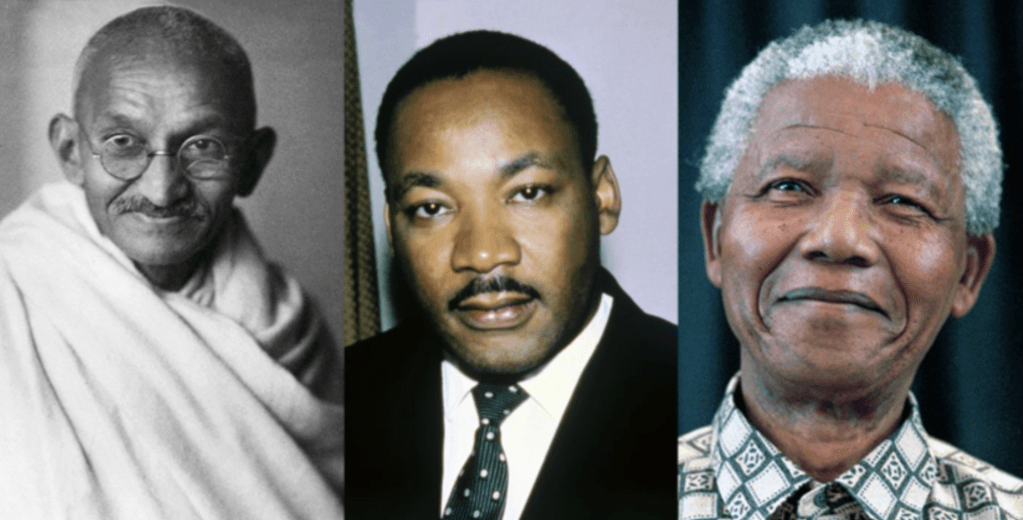
When I read any writing from or about Dr. Martin Luther King, I am reminded of a document Julia Noakes, an international corporate psychologist focused on executive team development and leadership shared with me at DB called ‘Stages of Leadership’. Based on research done by David Rooke and William Torbet, published in the Harvard Business Review, the document lays out the different layers of leadership one goes through, and the percentage of the population that achieve each state. You can also look at this as one’s development as they go through their career. It goes from the first stage of leadership – The Opportunist – to the final stage of leadership – The Alchemist … or as Julia described it, The Magician, which is how I like to describe it. In their research, only 1% of the studied population reached the Magician stage. Julia described this stage of leadership being accomplished by people like Gandhi, Nelson Mandela and Dr. Martin Luther King. The simple way I think about these Magicians was that their purpose was so much bigger than themselves.
We do not all have to be, or can be, a Dr. Martin Luther King, but as leaders we can all be Magicians to our families, friends and to the people whom we have been given the honor to lead.
Powerful ideas:
- “ … that only when it is dark enough, can you see the stars.”, Dr. Martin Luther King
- Norms arise out of core beliefs. These norms are deeply embedded within organizations and shape the unconscious, taken-for-granted behaviours that constitute the essence of organizational culture. – Edgar Schein, professor emeritus at MIT
- “Choose the harder right, instead of the easier wrong”, West Point Cadet Prayer
If you would like a copy of the Stage of Leadership documents that was shared with me, feel free to message me.

 thought for the week